For UK travel brands, January is not a month that starts quietly. The Civil Aviation Authority describes the first Saturday of the year, known as Sunshine Saturday, as “seen as the busiest day of the year for people booking holidays”. In 2027 that Saturday falls on 2 January. The people who book that day have usually been comparing websites for weeks.
According to the Civil Aviation Authority, 4.3 million people booked an ATOL-protected holiday in January 2025 (ATOL, January 2026). According to a Quantum Metric survey of 2,000 US and UK consumers, 45% of UK consumers visit a travel website two to three times before booking (Travel Weekly).
That changes what November and December are for. They are the weeks in which your website is visited, compared and shortlisted. The booking on the first Saturday of January is the end of a process that began on your site, or on a competitor’s, well before it.
The road to Sunshine Saturday
November and December
Your website is visited, compared and shortlisted
45%
of UK consumers visit a travel website two to three times before booking
Christmas break
Staffing is at its thinnest
It falls directly before the busiest booking day of the year, when more people arrive with more intent.
2 January 2027
Sunshine Saturday
4.3m
people booked an ATOL-protected holiday in January 2025
Sources: Civil Aviation Authority (ATOL); Quantum Metric, via Travel Weekly
Why this matters before January
Holiday booking is rarely a single visit. Quantum Metric’s research found that 45% of UK consumers visit a travel website two to three times before they book. Each of those visits is a chance for a question to go unanswered, a price to look unclear or a trust signal to be missing.
The same research suggests the peak is no longer a single date. Of the digital leaders Quantum Metric surveyed, 43% said peak seasons are starting earlier and 33% said they have become less defined. Among consumers, 22% had already booked at least half of their festive travel by October. Sunshine Saturday is the headline day, but the demand behind it builds across the weeks that come before.
Peak weeks also raise the cost of a gap. More people arrive with more intent, on evenings and weekends when most teams are away from their desks. The Christmas break, when staffing is thinnest, comes directly before the busiest booking day of the year.
Where travel websites lose these bookers
A visitor planning a trip has questions the page does not always answer. Is the price the total price? Is the holiday protected? Can this room take a family of five? Is the date flexible? If nobody can answer while the visitor is on the page, they open the next tab.
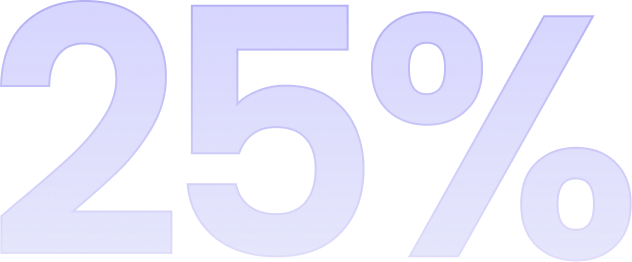
CommVersion’s figure for travel websites is that 97% of visitors leave without making contact. Not every visitor is ready to book, and not all of them need to be reached. A meaningful proportion are in-market, and the rest of the browsing session is spent with your competitors.
Of every 100 travel website visitors
Source: CommVersion
This is where the gap sits for most operators. It does not show up in booking reports, because a visitor who never enquired leaves no record in them. It shows up only if you measure what happens before the enquiry.
What to have in place before the booking peak
1. A total price that is accurate on first view.
Since the Digital Markets, Competition and Consumers Act came into force on 6 April 2025, the Competition and Markets Authority can fine businesses up to 10% of turnover, or £300,000 if greater, for hiding mandatory fees until late in the booking process. The CMA’s price transparency guidance says the total price should normally include unavoidable charges, and that showing mandatory charges separately is not normally enough. Which? has already flagged travel examples, including hotel resort fees shown only at checkout. Check your search results, listing pages and checkout in the same session, and compare the first price a visitor sees with the last. Take legal advice if you are unsure what counts as mandatory for your products.
2. Financial protection that is visible before the booking.
The CAA expects ATOL holders to show their name, ATOL number and ATOL logo on their website, along with the required financial protection statement. Where only some services are protected, the CAA’s guidance says the website must make clear which are protected, before booking. Bookers use these details to decide who to trust, so they should be easy to find on every page that sells a holiday.
3. Evidence that customers had a good experience, shown where the decision is made.
A visitor on a second or third visit is looking for a reason to commit. Verified customer reviews, placed on the pages where the booking decision is made rather than on a separate page, give them one. Show reviews gathered through a consistent process, not a selection of the best. The same Act restricts fake and misleading reviews, so how reviews are collected and displayed is now a compliance question as well as a marketing one.
4. A real-time answer when the visitor has a question, including evenings and the Christmas break.
A contact form tells a visitor that someone will reply. A real-time answer tells them they have already been helped. The questions that decide a booking are specific: whether the price is the total price, whether a room sleeps five, whether a date can move. Decide who answers them at 8pm on a Sunday and on 27 December. If the answer is nobody, that is a gap in coverage at the point of highest demand, and it is worth knowing before January rather than after.
5. A way to see where visitors drop out, and a plan for those who are not ready.
Most visitors will not book on the first visit, and many will not enquire. Look at which pages they leave from, and what they had asked or looked for before leaving. For those who do give their details but are not ready to book, decide what follow-up they receive and when, so that a long booking cycle does not become a silent one. Where availability changes quickly, make sure what a visitor is told matches what can actually be booked.
Test it before the booker does
The simplest check is to behave like a booker. In the next two weeks, visit your own website on a weekday evening and again at a weekend. Pick a holiday and work through search, listing and checkout. Write down the first price and the final price. Note where the ATOL information appears. Ask a real question, such as whether a room sleeps five, and see whether anyone can answer, how long it takes and what happens next. Then repeat the test on your two closest competitors.
The booker test
Visit your site on a weekday evening and again at a weekend
Pick a holiday and work through search, listing and checkout
Write down the first price and the final price
Note where the ATOL information appears
Ask a real question, such as whether a room sleeps five. Time the reply
Repeat the test on your two closest competitors
If the price changes, the protection is hard to find or nobody responds, you have found the gap while there is still time to fix it before 2 January.
See what you are not capturing before the peak
CommVersion proves incremental uplift before you commit. You pay per qualified lead, with no setup fees.
Book a demo →